The House That Dripped Blood (1971)
Directed by Peter Duffell and written by the renowned Robert Bloch (author of “Psycho”), The House That Dripped Blood is a classic British horror anthology from the early 1970s. Featuring an all-star cast of genre legends, including Christopher Lee and Peter Cushing, the film weaves together four chilling tales connected by a single, malevolent location. It stands as a quintessential example of the portmanteau horror film, beloved for its atmosphere, wit, and macabre storytelling.
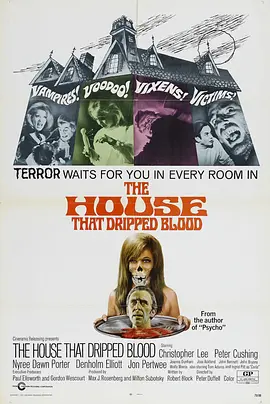
Plot Overview
The film is structured as four separate but connected stories, all centered around a mysterious and cursed country house, as recounted by a police inspector investigating a disappearance.
1. Method for Murder: A horror novelist moves into the house with his wife to find inspiration. To his terror, the murderous psychopath character he created for his latest book begins to manifest in reality, threatening both him and his spouse.
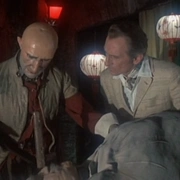
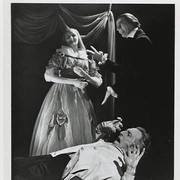
2. Waxworks: A retired businessman becomes obsessed with a strikingly beautiful wax figure of Salome in a local museum. His fascination turns into a living nightmare as the line between wax and flesh blurs, leading to a horrifying and tragic conclusion.
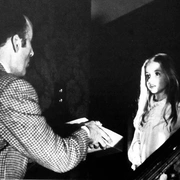
3. Sweets to the Sweet: A stern father and his quiet, withdrawn daughter move into the house. He hires a governess, who soon discovers the girl is forbidden from having toys and that the father has an intense, supernatural fear of fire. The governess uncovers the dark secret behind their strange behavior.
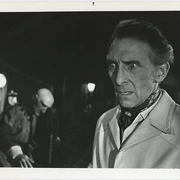
4. The Cloak: A pompous horror film actor, preparing for a vampire role, moves into the house. He purchases an authentic vampire cloak from a strange antique shop, scoffing at its purported supernatural properties. However, the cloak transforms him into a real vampire, with deadly consequences.
Highlights of the Film
The House That Dripped Blood offers several standout elements that have contributed to its enduring appeal among horror aficionados.
• Stellar Cast: The film is a showcase for horror icons Christopher Lee and Peter Cushing, who deliver typically compelling and nuanced performances. The supporting cast, including Jon Pertwee and Nyree Dawn Porter, is equally strong.
• Clever Script: Robert Bloch’s screenplay is intelligent, blending genuine chills with a subtle, self-referential wit, particularly in the final segment which pokes fun at the horror genre itself.
• Atmospheric Direction: Peter Duffell masterfully creates a pervasive atmosphere of dread, using the central house as a constant, brooding presence that ties the disparate stories together.
• Variety of Terrors: From psychological horror and vengeful creations to witchcraft and classic vampirism, the anthology format ensures a diverse and engaging experience with something to frighten every viewer.
Critical Reception
Upon its release, the film was well-received as a solid entry in the Amicus Productions anthology canon. Critics and audiences praised its effective blend of suspense and dark humor, as well as the strong performances from its lead actors. While not as groundbreaking as some other horror films of the era, it has grown in stature over the decades and is now regarded as a highly entertaining and classic example of British anthology horror. Its clever storytelling and gothic charm continue to be appreciated by new generations of fans.
Conclusion
The House That Dripped Blood is a masterfully crafted horror anthology that delivers on its promise of chills and entertainment. With its iconic cast, intelligent writing, and a perfectly sinister setting, it remains a cornerstone of 1970s British horror. Whether you’re a fan of classic genre cinema or discovering it for the first time, this film guarantees a delightfully macabre journey into a house where every room holds a new nightmare.
发表回复